
 Share
ShareBowling Centre Investment Guide for Vietnam: Equipment, Space, Budget and Payback
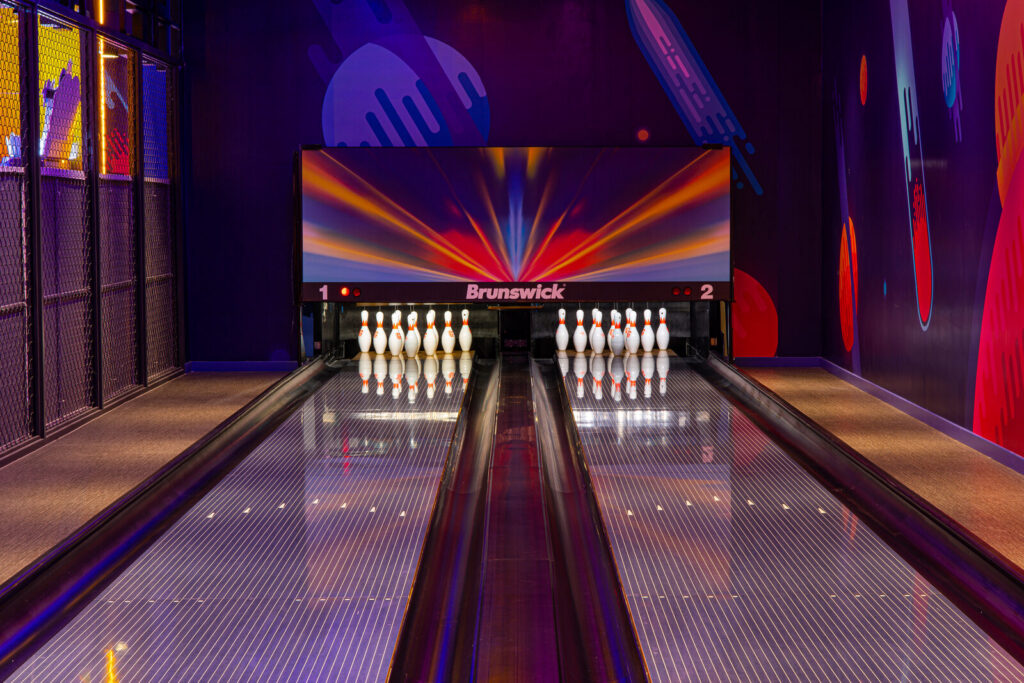
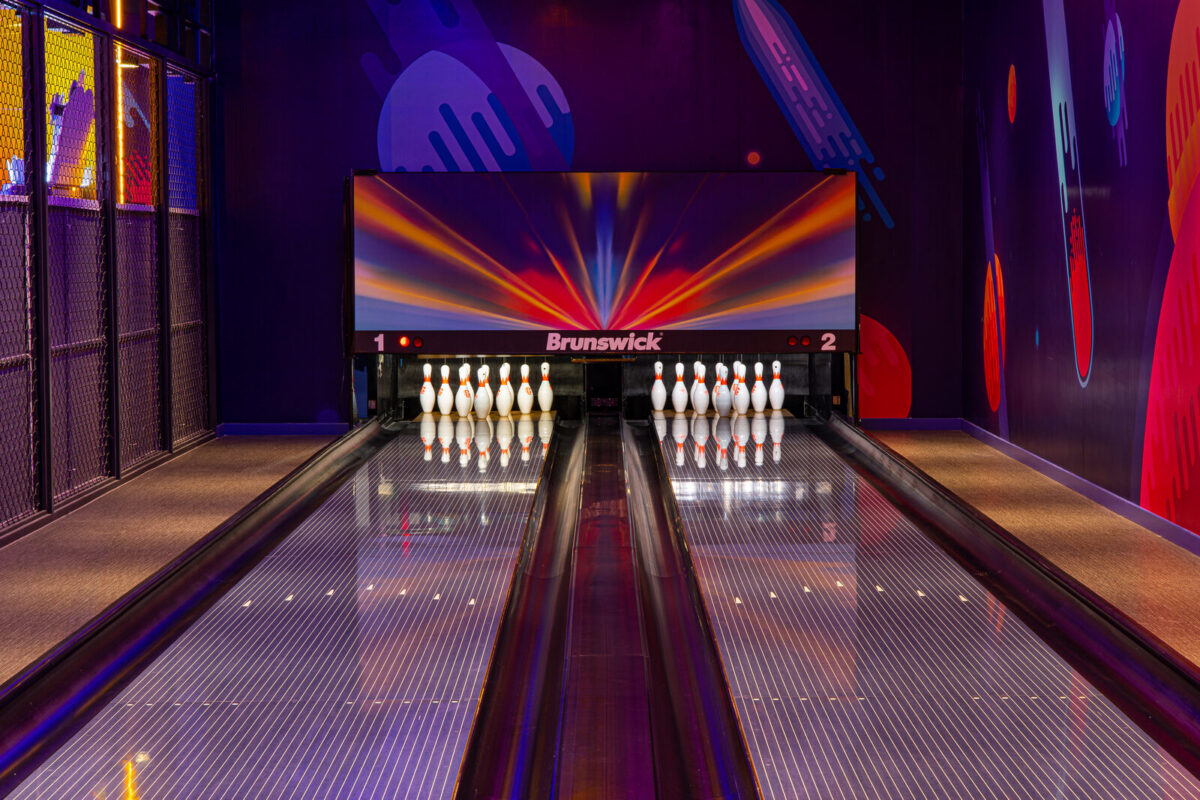
Bowling has moved from a niche import to a mainstream anchor in Vietnamese malls, resorts and mixed-use entertainment centres. A well-placed centre in Ho Chi Minh City, Da Nang or Hai Phong holds a family for two to three hours, far longer than a cinema visit and more profitable per square metre than most food and beverage tenants. This guide covers equipment, space maths, capital budget in USD and VND, revenue per lane, staffing and payback.
Equipment a bowling centre needs
A bowling centre is a machine, not a room full of furniture. Mechanical and digital systems must be specified together, because a mismatch between pinsetter generation and scoring software is the most expensive mistake in the sector.
- Pinsetters. One per lane. String pinsetters such as the VIVA MC2 use far less power than legacy free-fall machines and can be maintained by one trained technician. Typical draw is 0.5 to 0.9 kW per machine.
- Lane beds and approaches. Synthetic panels with a Wilsonart overlay have displaced maple and pine, tolerating 60 to 90 percent relative humidity without cupping.
- Ball returns. One unit shared between two lanes in most layouts, saving cost and floor width.
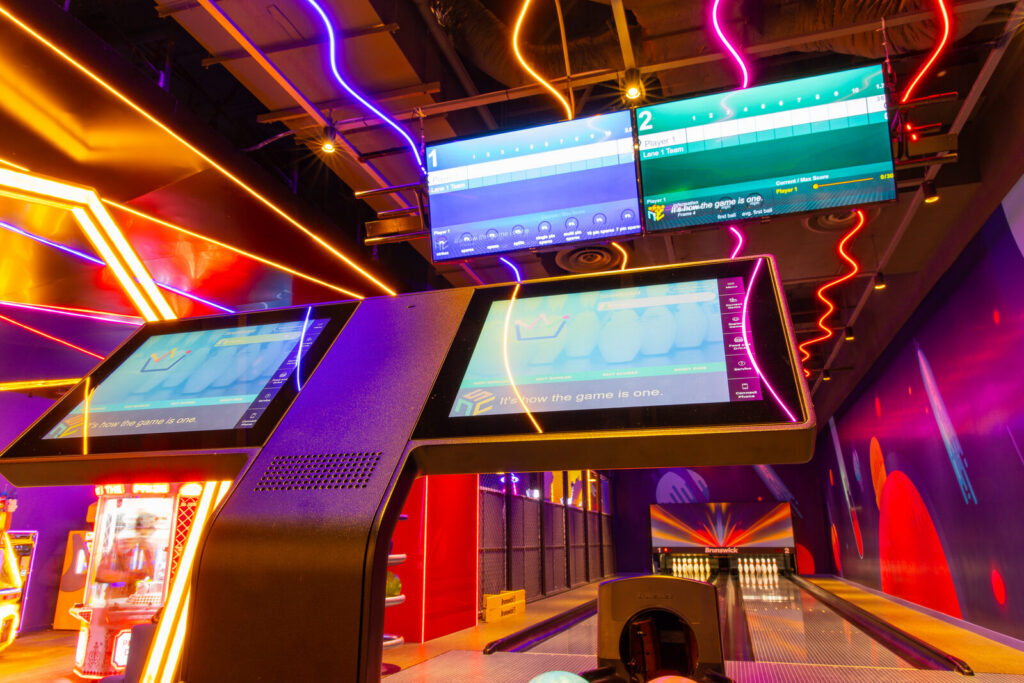
- Scoring systems. LCD overhead monitors, a lane computer per pair, front desk point of sale and a management server, with Vietnamese interface and QR payment.
- Automatic bumpers. No longer optional, since children under twelve are a large share of weekday traffic.
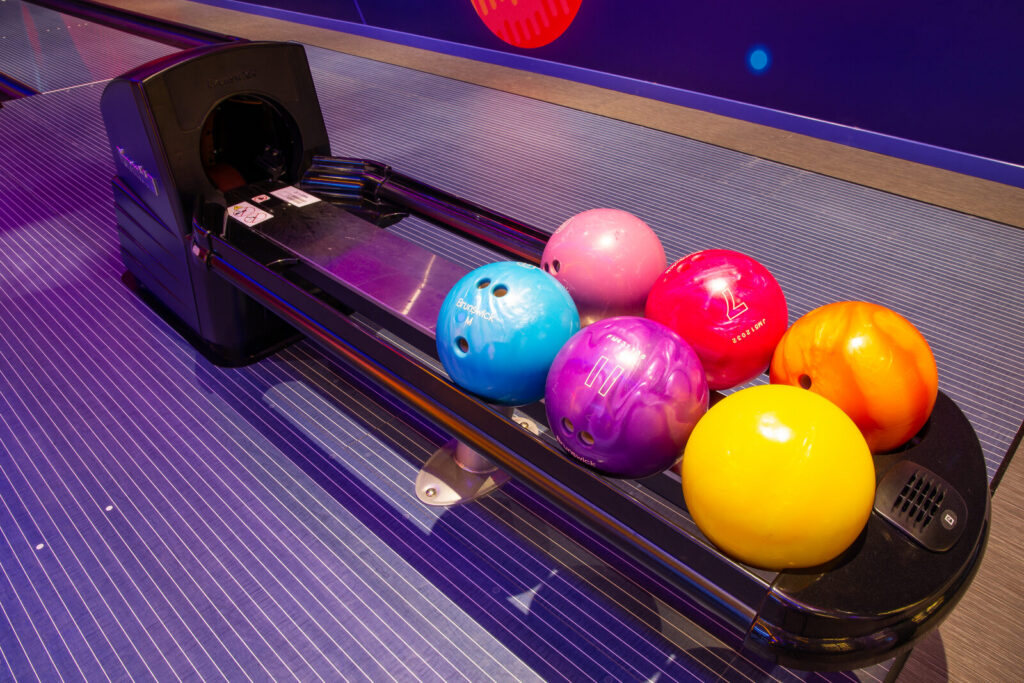
- Balls and shoes. 25 to 35 house balls per lane from 6 to 15 pounds, plus 30 to 40 pairs of rental shoes per lane in sizes 30 to 46.
- Furniture. Settees, ball racks, masking units and a service counter. Furniture decides whether a centre still looks premium after eighteen months.
WINAM supplies the VIVA Bowling line in Vietnam, covering MC2 pinsetters, minibowling, balls, lane overlays, automatic bumpers, LCD scoring and seating as one integrated package.
Space requirements
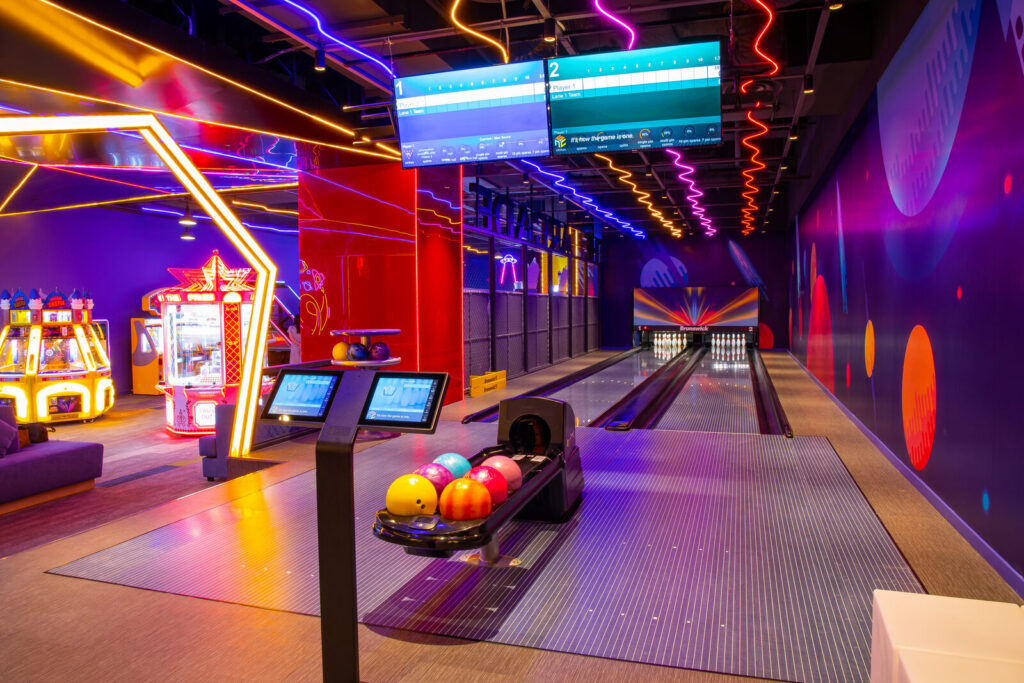
| Element | Dimension |
|---|---|
| Foul line to head pin | 18.29 m |
| Total lane bed including pin deck | approx 19.2 m |
| Approach behind foul line | 4.6 m minimum |
| Rear service aisle | 2.0 m minimum |
| Total depth required | 25.8 to 26.5 m |
| Lane bed width | 1.06 m |
| Width per lane with gutters | 1.55 to 1.60 m |
| Clear ceiling height | 3.0 m minimum, 3.5 m preferred |
A realistic planning figure is 45 to 55 square metres per lane for the lane block alone, and 75 to 95 square metres per lane once seating, concourse, shoe counter, toilets, back office and a small food outlet are added. An eight-lane centre therefore needs 600 to 760 square metres with a clear span of at least 26 metres in one direction. Many Vietnamese mall units fail on depth rather than total area, so measure the column grid first.
How many lanes to start with
Six lanes is the practical minimum, because below that a single group booking blocks all walk-ins. Eight to twelve lanes suits a district-level mall. Sixteen to twenty-four lanes only makes sense in a top-tier catchment with tournament ambitions. For resorts, four to six lanes or two to four minibowling lanes is usually right, since the goal is guest retention rather than volume.
Capital budget per lane
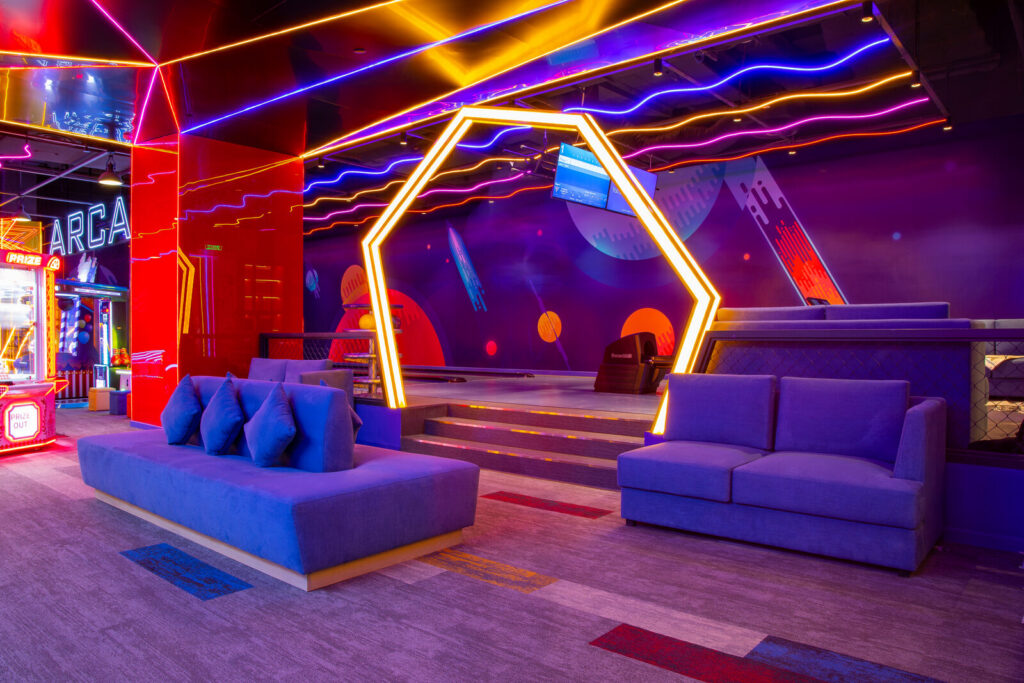
Indicative turnkey ranges for Vietnam including installation and commissioning, at 26,000 VND per USD.
| Item | USD per lane | VND per lane |
|---|---|---|
| Pinsetter, lane bed, ball return | 28,000 – 38,000 | 728 – 988 million |
| Scoring system and monitors | 4,000 – 7,000 | 104 – 182 million |
| Furniture, seating, masking | 3,500 – 6,000 | 91 – 156 million |
| Balls, shoes, consumables | 1,500 – 2,500 | 39 – 65 million |
| Freight and commissioning | 3,000 – 5,000 | 78 – 130 million |
| Total per lane | 40,000 – 58,000 | 1.04 – 1.51 billion |
Allow a further 250,000 to 600,000 USD for fit-out, air conditioning, electrical upgrade, acoustics and a food counter on an eight to twelve lane project. Minibowling costs 40 to 55 percent of a full lane and needs only 11 to 14 metres of depth, which is why it dominates hotel and family entertainment projects.
Revenue per lane per day
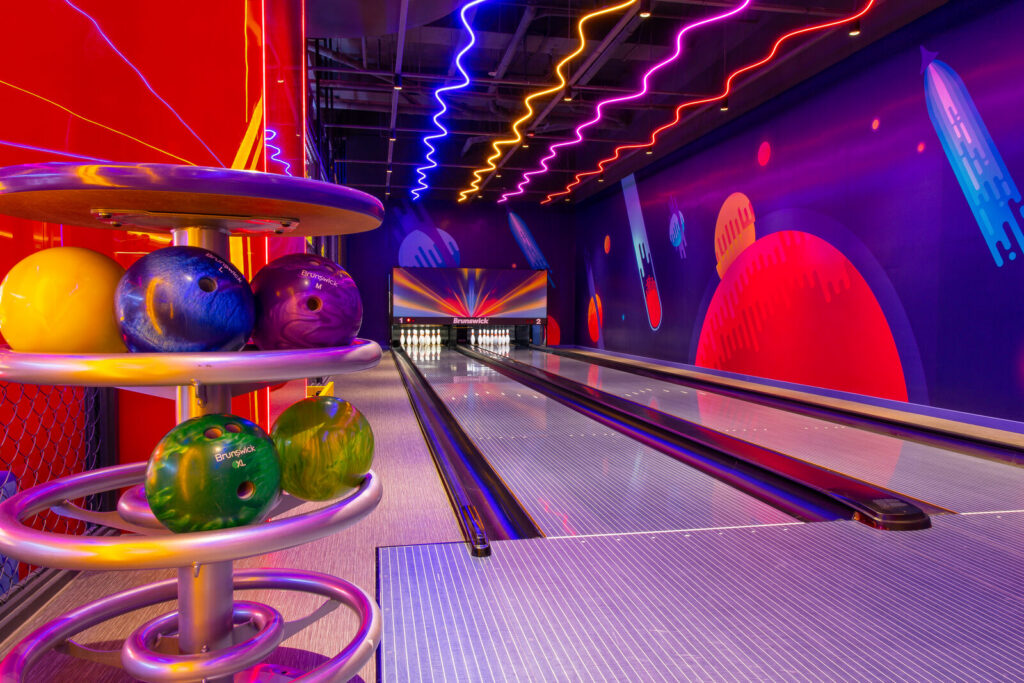
Vietnamese pricing typically runs 60,000 to 120,000 VND per game per person on weekdays and 90,000 to 160,000 VND at weekends, plus 20,000 to 40,000 VND shoe hire. A healthy urban centre achieves 4 to 7 paid lane-hours per lane per day averaged across the week.
- Weekday revenue per lane: 1.8 to 3.0 million VND (70 to 115 USD)
- Weekend revenue per lane: 4.5 to 7.5 million VND (173 to 288 USD)
- Blended monthly revenue per lane: 80 to 130 million VND
- Food and beverage attach: adds 25 to 45 percent on top
Staffing
A twelve-lane centre runs on 10 to 14 staff across two shifts: two front desk staff per shift, two to three lane and shoe attendants, one technician, one to two food and beverage staff, a duty supervisor and a manager. Payroll lands at 18 to 24 percent of revenue. The critical hire is the technician, because every hour a lane is down is lost margin at close to 100 percent contribution.
Payback period
With total project cost of 700,000 to 900,000 USD for a twelve-lane urban centre and stabilised EBITDA margins of 30 to 40 percent, payback usually falls between 28 and 42 months. Resort installations of four to six lanes show a longer direct payback of 40 to 60 months but deliver value through occupancy and length of stay. Projects that miss payback almost always do so because of rent: above 18 percent of revenue is very hard to recover from.
Common mistakes
- Signing a lease before verifying 26 metres of clear depth and floor loading.
- Underestimating electrical supply and air conditioning load in a tropical climate.
- Ignoring acoustics, which draws complaints from neighbouring tenants.
- Buying used pinsetters with no local spare parts chain.
- Building only full-size lanes when two minibowling lanes would capture the child segment more cheaply.
- Treating food and beverage as an afterthought.
- No lane oiling schedule, which degrades scoring quality and repeat visits.
Bowling remains a defensible format in Vietnam because the barrier to entry is real: space, machinery and technical skill cannot be copied overnight. Investors who model depth, rent and utilisation honestly, and who source an integrated package through a group such as WINAM with local technical support, generally reach stabilised trading within two to three quarters of opening.
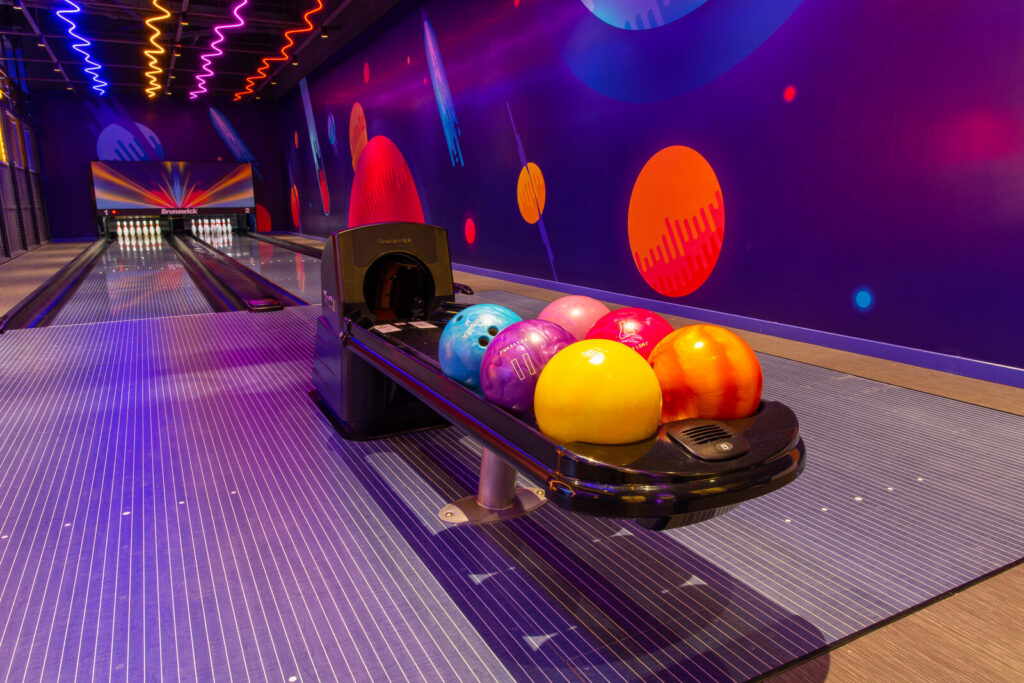
Need help planning your project?
WINAM engineers provide a free site survey, layout design and full quotation within 24 hours.
Call now: 0931 176 176
Call now: 09 6161 0202
Request a quotation
Chat on Zalo